
حول هذه الأغنية
Rooted in the creative and geographic context of the Philippines, this work exists as a distinct entry in the archipelago’s long line of folk expression, framed as a regional music note that prioritizes its ties to the place that shaped its creation. Titled Pagka Tam-Is Unta, the sound carries the clear linguistic and cultural markers of its Philippine origin, a thread that runs through every layer of its presentation, from its core classification as folk music to the intentional choice to center its national origin as the primary frame for anyone engaging with it. Unlike creative works that are separated from their geographic roots to fit broader, more generalized global categories, this sound is anchored firmly to the Philippines, with its folk classification placing it alongside other works that emerge from the same community-focused creative lineage that defines folk output from the region.









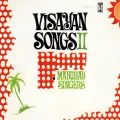
Pagka Tam-Is UntaCynthia Soza Banda
0:002:59