
حول هذه الأغنية
Folk practices across the Philippine archipelago draw from thousands of distinct island communities, each weaving their own approaches to the form that defines the country’s rich, endlessly varied traditional music ecosystem. This landscape of work stretches back centuries, shaped by the shared lives, communal values, and intergenerational knowledge of the groups that have called the archipelago home, evolving continuously as creators engage with the core tenets of folk expression while bringing their own perspectives to every new work they craft. Within that vast, layered canon of Philippine folk sits Nadalus nga ayat, a sound rooted in the same cultural soil that has nurtured every folk work to emerge from the country, aligning with the genre’s core focus on centering the communal and cultural identities that give traditional music its enduring meaning.









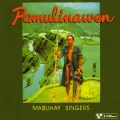
Nadalus nga ayatAma Adepa
0:002:29