
حول هذه الأغنية
For centuries, the Indonesian archipelago’s interconnected cultural trade routes carried musical ideas across island communities, weaving together regional practices that would later form the backbone of many of the country’s contributions to global world music. Long before world music emerged as a formal category created to center non-Western sonic traditions that fell outside the dominant pop, rock, and classical hierarchies of the 20th century global music industry, Indonesian communities were refining and sharing their own musical lineages, passing down practices that tied creative expression to cultural identity, communal ritual, and intergroup connection. These intergenerational traditions spread across Sumatra, Java, Bali, Sulawesi, and the archipelago’s smaller island groups, adapting to local needs while retaining core throughlines that tied them to the archipelago’s shared cultural history.





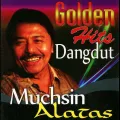
Tanamor🤗
0:003:24