Song
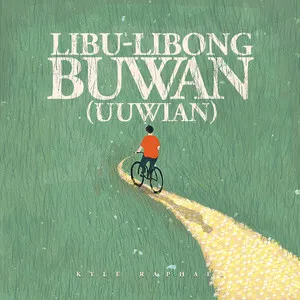
Libu-Libong Buwan (Uuwian)
About this Song
The way popular music in the Philippines has long served as a thread that binds dispersed communities, from urban centers across Luzon, Visayas, and Mindanao to the millions of Filipino migrants and expats that build homes across every continent, carrying the sounds of their homeland with them as a touchstone for identity, connection, and memory, sets the country’s pop landscape apart from many other global scenes, where popular music is often framed first as a commercial product rather than a lifeline for collective connection. Pop as a genre, when rooted in the Philippines’ rich cultural terrain, is never a monolithic import copied wholesale from Western or global pop trends, but a malleable form that adapts, reimagines, and roots itself in local linguistic traditions, naming conventions, and shared cultural experiences that make it feel both universally accessible, as pop music is designed to be, and deeply specific to the contexts from which it emerges.







Libu-Libong Buwan (Uuwian)user7970863431306
0:002:58