
About this Song
Folk expression across the Philippine archipelago is woven into the fabric of communal gatherings, regional cultural practice, and intergenerational transmission, carrying threads of collective identity that shift and adapt across the country’s hundreds of inhabited islands while retaining core ties to the shared cultural heritage that unites diverse communities across the nation. This body of work, broadly categorized as folk, encompasses every form of creative sound that grows out of grassroots community life, rather than emerging from formal commercial production structures designed for mass, global distribution. Folk music as a genre is defined by its roots in shared experience, passed between members of a community rather than framed primarily as the output of a single branded creator, a framing that aligns with the long history of organic cultural exchange that has shaped creative practice across the Philippines for centuries.






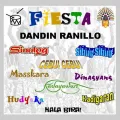
Sinulog, Ishagit Ug Kusug선미 SUNMI
0:004:56