
About this Song
The credited artist behind Bugie Wugie draws from the deep, centuries-long lineage of folk practice that has shaped cultural expression across the Philippines, a body of work rooted in the transmission of shared experience that binds communities across the archipelago’s thousands of islands. Folk music in the Philippines is not a monolith, but a tapestry of regional voices, each carrying the specific histories, values, and collective memories of the peoples that have called the archipelago home for generations, and this work exists as a vital thread within that far-reaching cultural tapestry. For communities across the Philippines, folk sound serves as more than a form of creative entertainment; it is a living archive, a means of carrying forward stories and traditions that might otherwise be lost to the passage of time, while also offering a space to reflect on the current realities that shape contemporary life in every corner of the country.









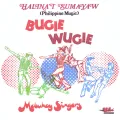
Bugie WugieAhmed Elshaafi
0:002:28